
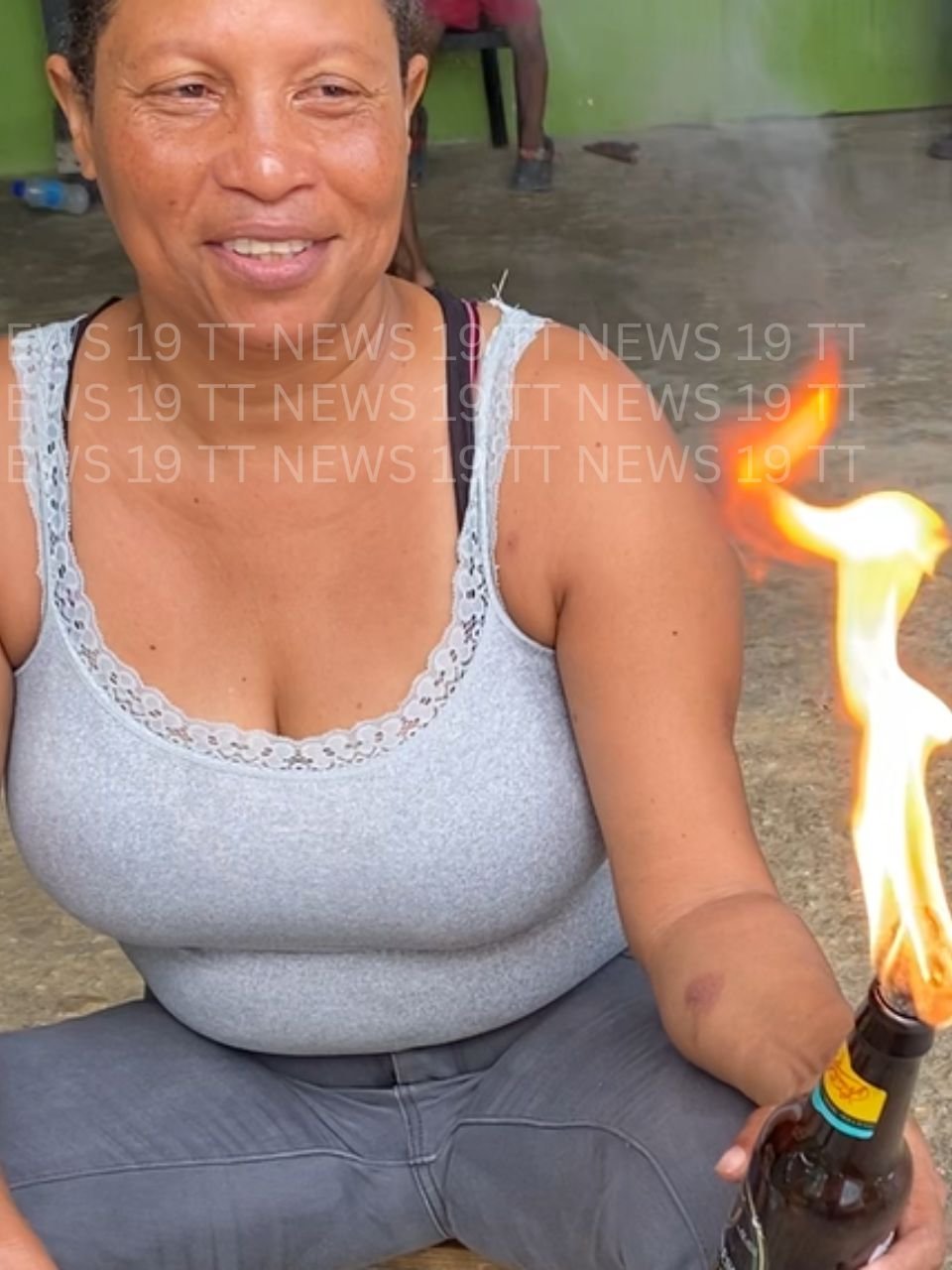
Nerida Nelson moved to North Oropouche WASA Road, Valencia, in 1998.
There were few houses in the community at that time and no electricity or running water.
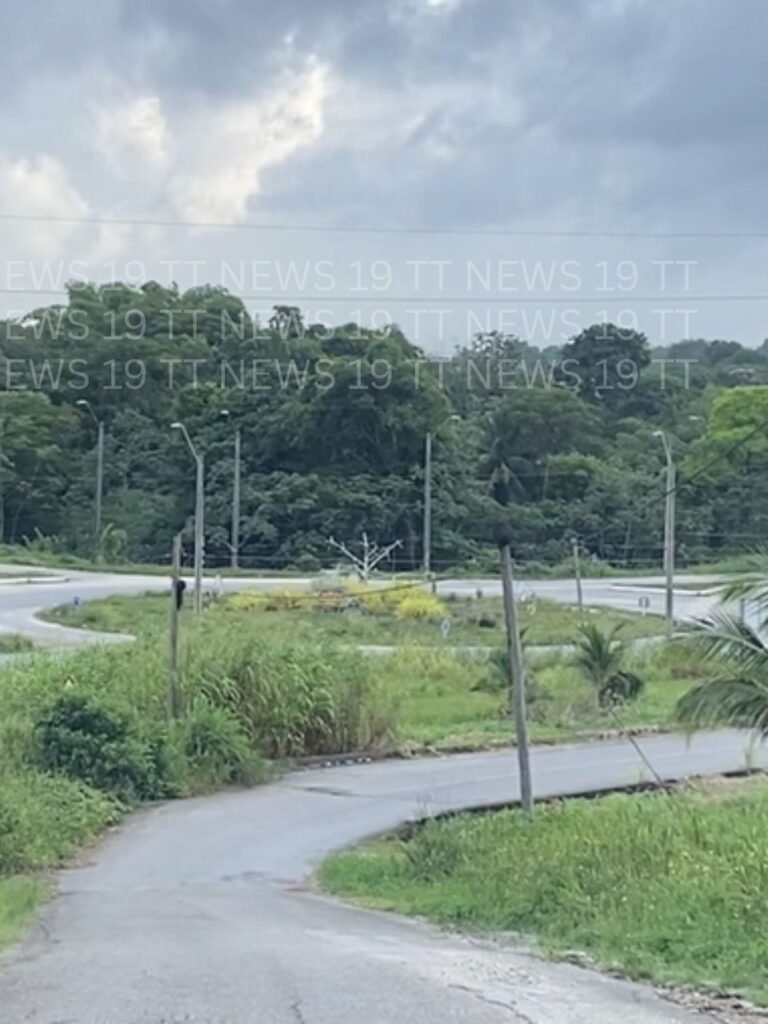
News 19 TT visited the community on August 15. It sits just minutes away from the Valencia Old Road.
In 2019, rehabilitation work on the Valencia to Toco Road was started by the then-Ministry of Works and Transport. The project was completed in 2023, with a roundabout constructed to the entrance of the North Oropouche WASA Road. That project means an electricity supply is now much closer to the community.
In the early days…
But when night falls, North Oropouche WASA Road, a squatting community built on state lands, and its residents remain in darkness.
For the past 15 years, residents have petitioned T&TEC for a connection that never came.
In an interview with News 19 TT, Nelson, a mother of ten, said she used pitch oil lamps, candles and flambeaus in her early days in the community to bring light and some level of safety in the dark nights.
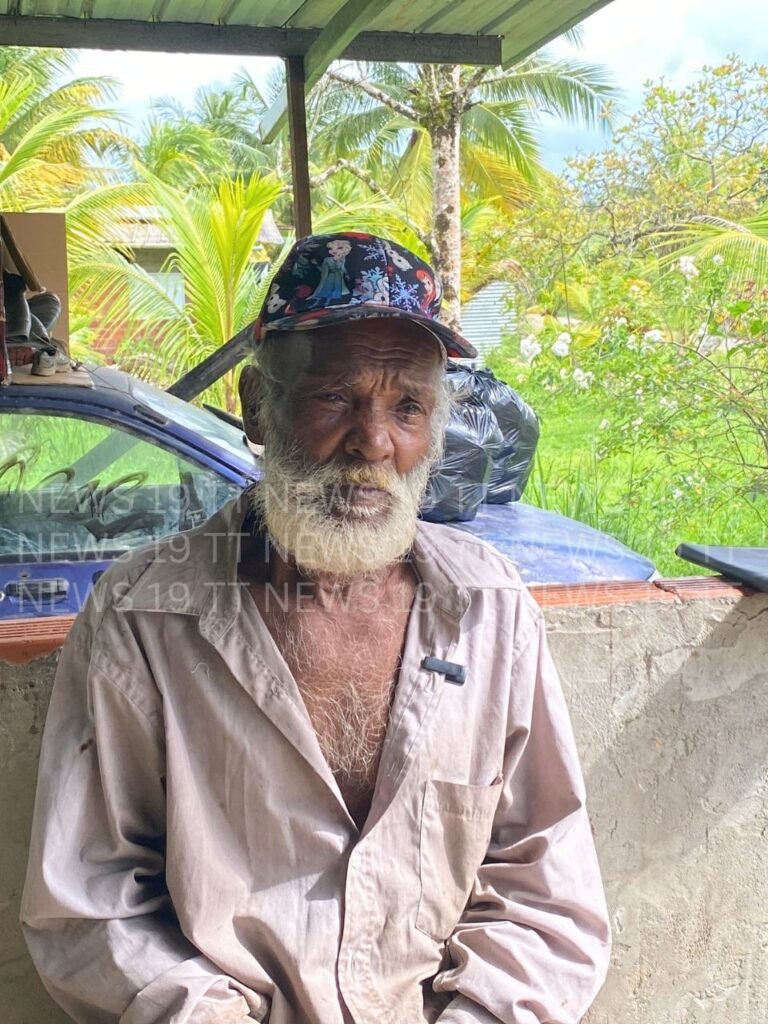
Another resident Billal Mohammed says he was the first person to settle in the community sometime in the 1960s.
“I come here in the 60s, I was the first person living here.”
In those days, Mohammed and his family used flambeaus and candles.
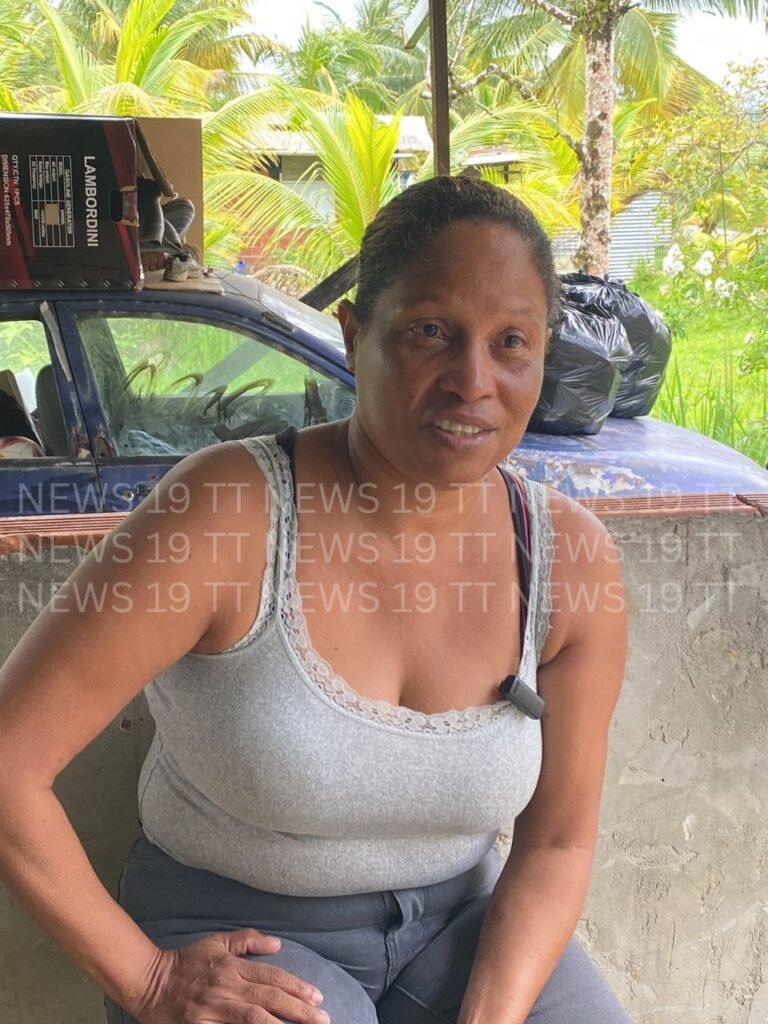
Annie Rojas, who moved into the community 26 years ago, also recalls the struggles of trying to raise her three young children in a community with no electricity.
“I had to go to work at those times. We used to work and I used to leave those children here in darkness. Just a little flambeau at the time.
“Sometimes they used candles. I would be on work on the phone calling them with them and I helping them with their school work just trying to make ends meet.”
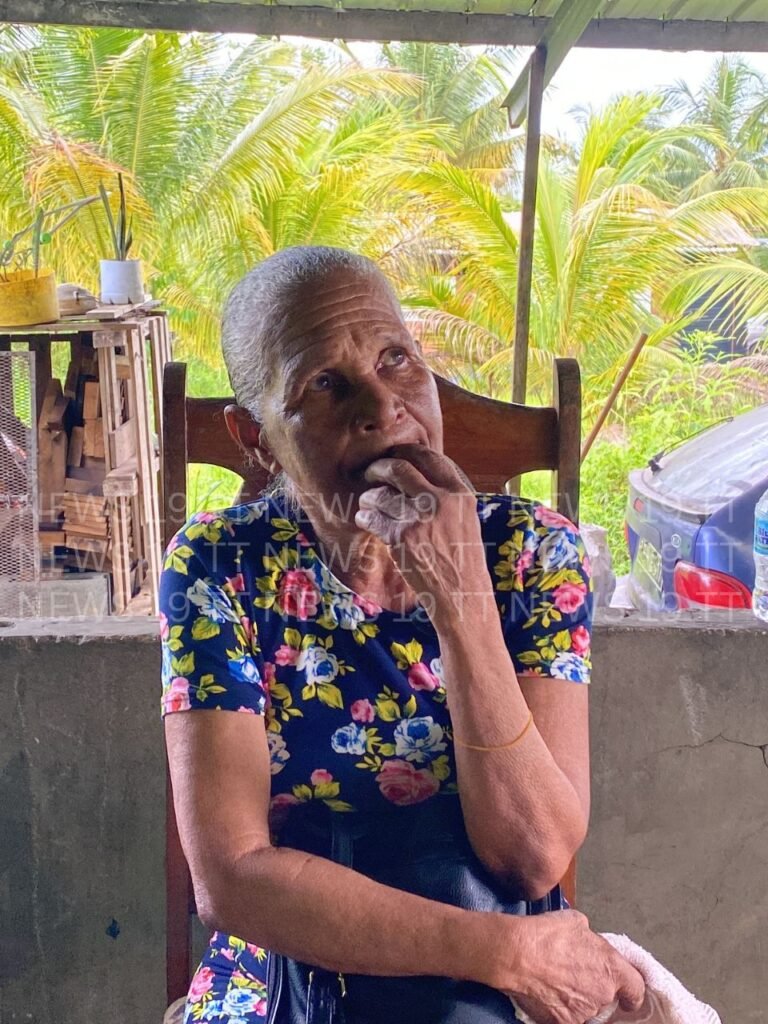
Another resident, Patsy King, also moved into the community about 30 years ago with her children.
She says her children grew up using flambeaus and candles as well.
Over the years…
As the years passed and more people moved into the area, Nelson took it upon herself to form a community group.
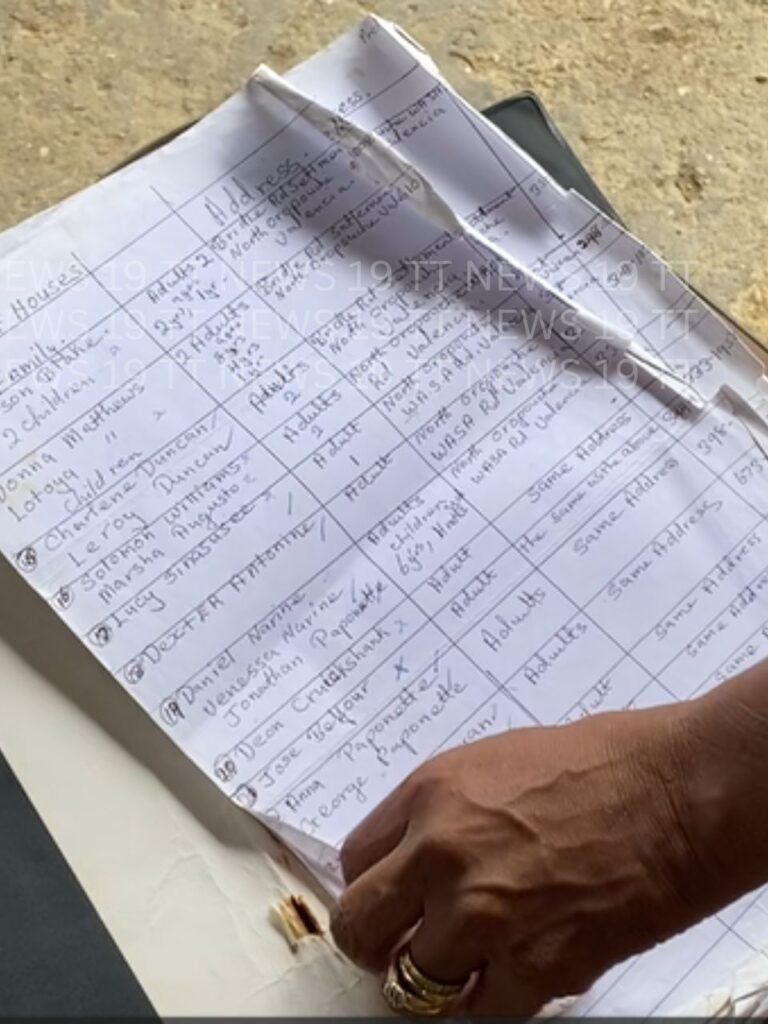
That group would advocate to bring lights and water to the rural village. News 19 TT was given a document dated November 21, 2011, which documents the group’s attempt to register with the then-Ministry of Community Development.
“We started going out in meetings with (Ministry of) Agriculture, T&TEC, WASA, we real move around,” Nelson recalls.
“There was my daughter, two other girls and myself. We used to go all the way to meet people to find out how we could get through with this current.”
Their advocacy took them to the T&TEC head office in Port of Spain in 2011.
There, they were advised to sign up for an electricity connection for the community.
Nelson’s daughter, Annie Rojas, was the one who filled out the paperwork.
In 2016, the group got a response from T&TEC.
“I was the secretary in the group at that time. I did the running around,” Rojas said.
A document provided to News 19 TT shows that on February 17, 2016, the group was given a quotation of $409,000 from T&TEC to cover the cost of a transformer and utility poles to electrify the community. There was a separate option labelled ‘Contractor option’ with a cost of $283,386.27, VAT exclusive.
But Rojas says most of those in the community could not afford to contribute to the cost, as many of them settled there because they had nowhere else to live.
“Most of the villagers are gardeners or do little hustles.”
Nelson said an official from T&TEC visited the community and held a meeting with residents shortly after they were given the quotation.
But without the money to fund the electrification project themselves, the community remained in darkness.
Present day…
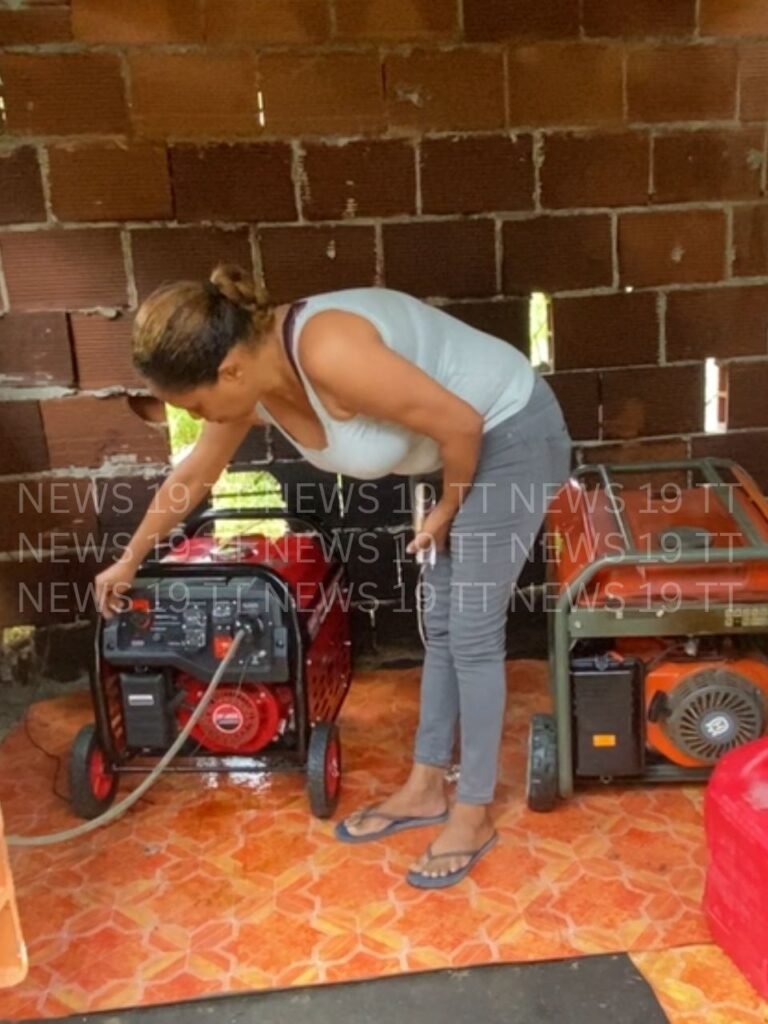
Over the years, many families transitioned to using generators.
But the high cost of gas and servicing are a financial strain.
Rojas says she has purchased several generators over the years.
The first one she ever bought cost $3,200. She’s currently on her sixth generator, which cost $11,600. Most residents News 19 TT spoke to said gas for their generators cost approximately $2,000 a month.
The generator also needs to be serviced frequently- a cost of $1,070 per service.
Rojas says to keep the costs down, she uses the generator mainly at night.
She runs a parlour in the area but says she can only stock certain items without electricity.
“It’s mainly snacks and dry goods. I try to do cold drinks but I cannot do meat.
“You can’t run the generator 24 hours, you have to run it and stop because of servicing.”
Rojas said she also cannot stock cheese, butter or frozen sausages.
Now 76, Nelson does not have much hope the community will get either utility in her lifetime.
“Well, really and truly, I mightn’t live to see it.
“But I know God is good. We will have the current and the water. We will have it because it’s time and over time something should be done.
Nelson said the community’s elderly population is especially vulnerable.
“Sometime people taking sick , you in darkness. What you do? I take in sick there, you know, by me. I had three heart attack.
“And it is very hard. When I tell you hard, to be in darkness and you don’t know what to do, when you have a little light, you make it do.”
“So people who have had to try and see what they can do.
“I’m begging, I’m pleading, we need the current.”
In Part Two- Living in the dark: A Valencia community’s fight for power, the residents speak about their struggles to get a pipe-borne supply of water, despite having a major water treatment plant in their backyards and what former public utilities minister Marvin Gonzales says about the community’s struggles.
[…] in the Dark Part 2: The Fight for Water Living in the Dark Part 1: A Valencia Community’s Fight for Power Coming soon: Living in the Dark: The Valencia Community Without Electricity or Water Part Two- […]